
Like I mentioned last week, I spent the last few months quietly updating several projects of mine, like my blog and Supercut.org.
Today’s refresh is a bit different: after 14 years, I decided to finally retire Playfic, the community for writing and sharing interactive fiction games that I launched in 2012 with my then-teenaged nephew, Cooper.

Why Now?
Why shut it down after 14 years? Two main reasons: maintenance and obsolescence.
Over time, it became an increasing pain to keep running. Every time I moved servers, I’d need to recreate the old environment for compiling games on the server, including moving all the compiled game files and the Inform 7 extension library.
It was a frequent target for SEO spam bots, who would sign up and try in vain to post anything publicly to the site. Spammers made over 174,000 attempts to post fake “games” into a text field that would only accept valid Inform 7 code, amounting to around 116 million words that nobody ever saw. It’s funny, in a way, but also a waste of time and resources.
Then, back in March, I found that an automated vulnerability scanner managed to append a string onto the UUID used by the game compiler for game names and directories, creating several junk directories in the releases directory. It was unsuccessful at doing any damage or accessing any user data at all, but it was unnerving.
I hadn’t meaningfully updated Playfic in years, and since then, better alternatives for writing and sharing Inform 7 games have appeared — namely Juhana Leinonen’s excellent Borogove, which launched in 2019 and has only gotten better over the last six years. It supports a full IDE with multiple interactive fiction languages, plus a snippets service and free hosting for games.
I quickly fixed the original security issue on Playfic, but decided it was time to retire it for good.
A Learning Community
Playfic was small in scale, but despite that, over 3,300 games and sketches were published on Playfic by nearly 2,400 people. Another 9,000 or so stayed private as compiled Inform 7 code that remained unpublished, most likely code scratchpads and other experiments.
Playfic games have been viewed (and hopefully played!) a collective 5.5 million times, with over 21 million characters of source code across all published games.
Playfic was always intended to be a learning environment: you can still view the code for every single published game, letting you learn from others. I heard from teachers and students over the years, where Playfic was being used to teach Inform 7, interactive fiction, coding, or game design, usually at the high school level.
In 2013, School Library Journal wrote this story about one teacher using Playfic with the students in his 10th-grade English class at the French American International School in San Francisco:
Jason Sellers wanted his 10th-grade English students at the French American International School to improve their descriptive writing skills. So, while subbing for a fellow teacher earlier this year, he launched a three-day classroom project—on writing code.
…
Lessons are based in Playfic, an online community where users write, share, and play games using Inform 7, a programming system for creating interactive fiction based on natural language. Games are simple to play—users just click and write as they would a text message. While low on graphics and sound, the games can nevertheless be engrossing.
Sellers talked about using Playfic in this now-deleted YouTube video from 2013, which includes videos of his students playing games.
Surprisingly, Playfic was also used on occasion by established interactive fiction authors like Ryan Veeder to share their work, like his game Craverly Heights, which was first written and published on Playfic in a week, along with many other sketches and experiments.
More recently, I was happy to see Playfic partly inspired The Plot of the Phantom, a delightful text adventure game that took its designer Scott Andrew 40 years to finish.
I had no expectations when I made this project, so I’m genuinely happy anyone found it useful at all.
A Permanent Archive
Playfic was a fun experiment launched at a wild time in my life, a month before Expert Labs folded and two weeks before I met Andy McMillan, kickstarting my adventure with XOXO.
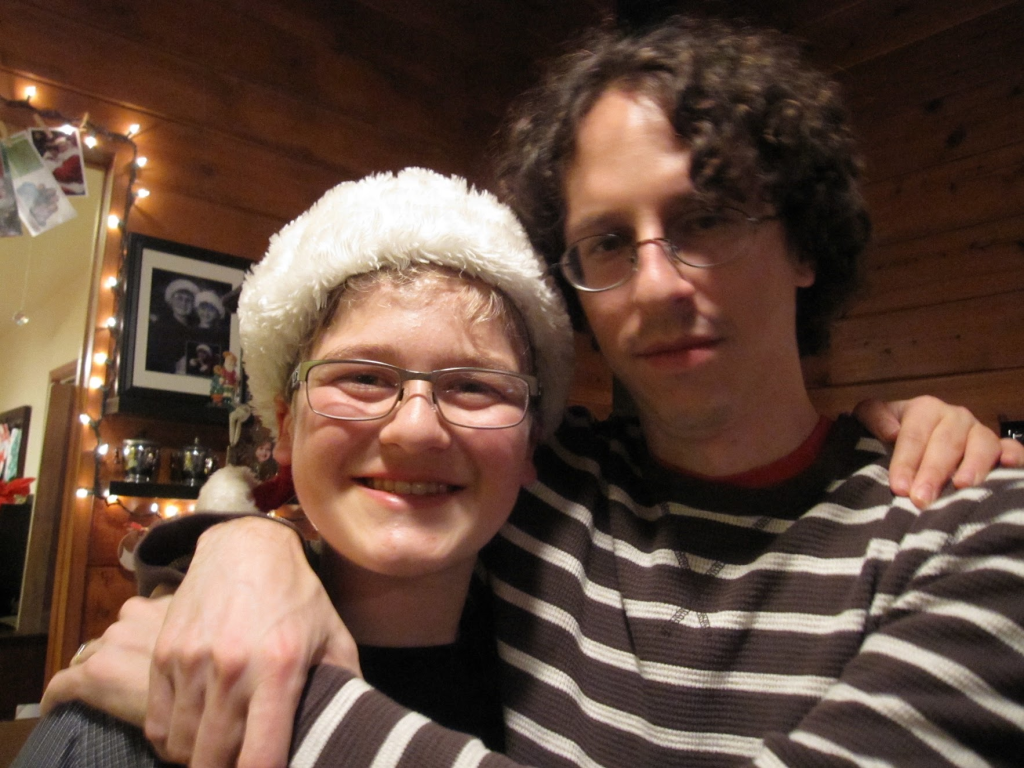
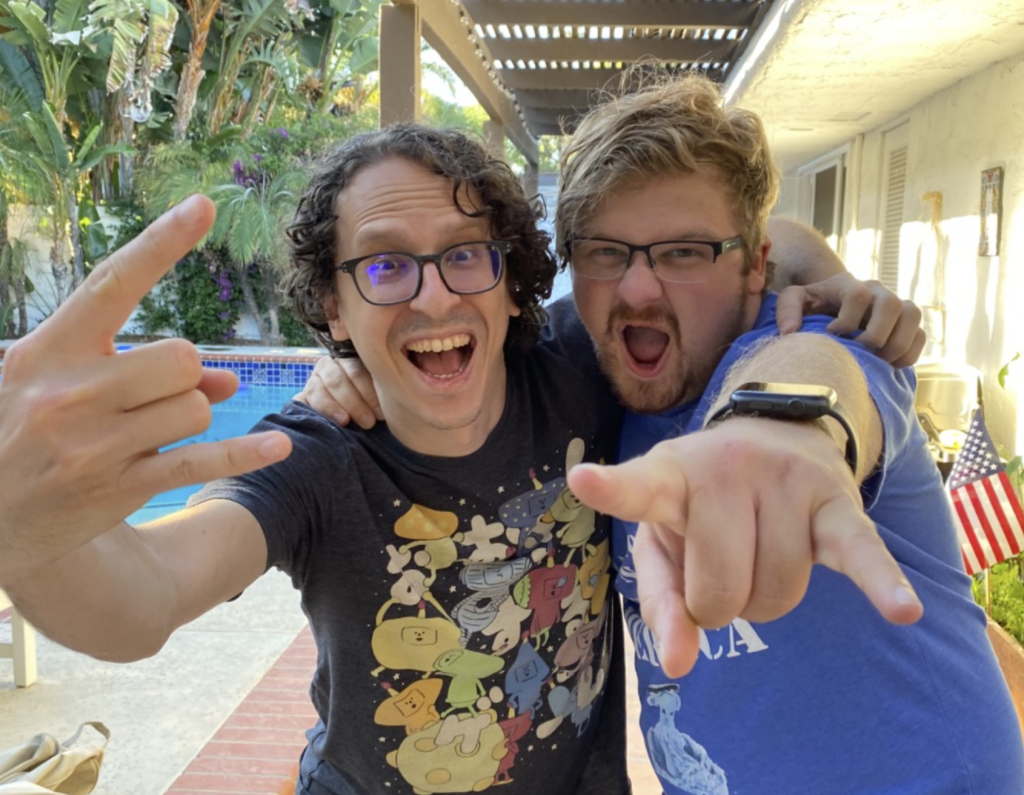
My nephew, Cooper, was only 15 years old when we started working on Playfic, learning Inform 7 to make each of the tutorials for the site. This month, he’s turning 30 and getting married later this year. Huge thanks to Cooper for his enthusiasm throughout this project.
Of course, I can never let a website die entirely, so I shifted it into read-only mode instead.
You can no longer create an account or make new games, but every game published on Playfic will remain accessible indefinitely, playable and with the source code available. Any existing users can choose to sign in and export or delete their games, or delete their entire accounts, at any time.
Playfic was initially an epic example of yak shaving: I wanted to play around with writing an Inform 7 game, but at the time, there was no browser-based tool for writing and sharing Inform 7 games. So I decided to make one first, before I’d start writing my Inform 7 game.
15 years later, I still haven’t made an Inform 7 game. I should get on that.
Would you consider releasing the code behind Playfic under an open-source/free software license, now that the project is finished for good? Some people on the forum are very disappointed to see it go, because Borogove isn’t screen-reader friendly the way Playfic was.
I’ve seen James’ posts in the forums and talked to him directly about this. I’ve also been in contact with Juhana, who agreed with me that addressing the accessibility issues in Borogove would be far easier than someone trying to update Playfic to modern tooling and stand up a new version somewhere.
The practical reality is that Playfic is ancient by web standards, which is a big part of the reason why I made it read-only: it’s a 15-year-old pile of PHP scripts with a frozen Inform 7 version from 2013 (6G60), using a Perl script for compilation and a 2019 build of Parchment. The source code is primarily PHP/MySQL glue between the i7 binaries and Parchment.
This code would be of extremely limited utility to anyone and I don’t think it would be responsible for me to even release it. My recommendation would be to work on improving Borogove instead, which is a much more solid foundation for future development. Juhana accepts pull requests to the GitHub project.