Very Slow Movie Player
— watching 2001: A Space Odyssey on a custom ePaper display at 24 frames per hour via Jeremy Keith #How Much of the Internet Is Fake?
— Max Read on “the Inversion,” the point when fake traffic is perceived as real by algorithms #Some images Joe Veix saved to his laptop in 2018
— this is an excellent use of Medium, and also, I want to subscribe to this newsletter please #Recovering Nintendo’s Lost SimCity for the NES
— Frank Cifaldi’s in-depth writeup on the unreleased prototype, with downloadable ROM via @frankcifaldi #Every Mickey
— combining every 3D model of Mickey Mouse found online into a single physical object #StyleGAN
— applying style transfer techniques to adversarial networks for better control over generated imagery via @quasimondo #Morph Cut Transitions on TV News
Yesterday, this clip from BBC News popped up on Twitter, in which a small child appears to materialize in the background of a woman-on-the-street interview.
WTF… does anyone else see the child teleport? pic.twitter.com/P0ju9J9cby
— @realTewkesburyBC (@TewkesburyLeak) December 12, 2018
If you watch the woman’s face at the same time the boy appears, you can see her expression morph into a smile.
This technique is known as a Morph Cut, a feature added to Adobe Premiere Pro in 2015, intended to smooth transitions in interview footage, removing unwanted pauses, stutters, and filler words (“like,” “um,” and “uh”) without hard splices and cuts.
The results, when used appropriately in interview footage without a changing background, can be nearly seamless.
It’s likely that BBC News used a morph cut in the clip above to tighten up the interview without changing its meaning. But it’s also ripe for abuse and fully capable of altering the meaning of an interview, and in many cases, undetectable.
I’ve known radio interviews were edited like this for years, but the BBC News clip is the first time I’ve seen the technique used in a video interview… or is it?
How many times have you watched footage that was subtly modified using off-the-shelf software, and never knew? Would you ever notice? Would you care?
Cabel Sasser’s screenshots of Xbox Live’s former support forum
— hard to imagine any major platform handling moderation this publicly again #The “Arcade” Workprint, ’90s Cyber-Cinema Without Music or Sound Effects
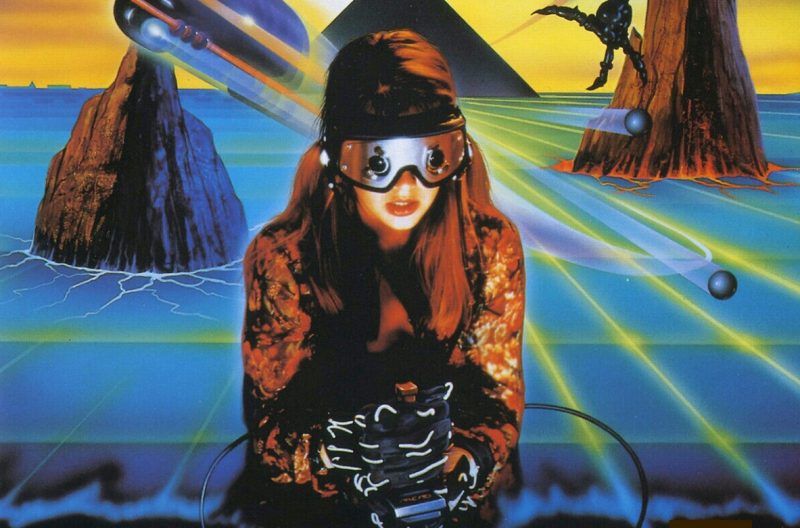
As a connoisseur of crappy movies about technology, I’m a fan of Arcade, the 1993 B-movie where a bunch of kids get trapped inside a Lawnmower Man-esque virtual reality game by a rogue AI.
It’s very ’90s, with a cast including Seth Green, A.J. Langer from My So-Called Life, John de Lancie (aka “Q” from Star Trek: The Next Generation), and the kid who played “Ralphie” in A Christmas Story. It was written by the same screenwriter as Dark City and The Dark Knight trilogy, but you’d never know it.
This far-too-long trailer tells you everything you need to know.
Last March, AV Club wrote about the film.
Arcade’s vision of tomorrow is all black bodysuits and skateboards, spinning gyroscopes and gleaming silver skulls, as though it sprung to life from the bored margin doodles of some eight-grader’s math book. That aesthetic, combined with its tinny synth score and panicky PSAs about the corrupting influence of video games, lends Arcade a hint of techno-culture commentary, and thus it arguably holds the same appeal as that whole vaporwave craze that briefly fascinated the internet.
I’ve seen Arcade before, but what I haven’t seen is this bizarre copy I just stumbled across on YouTube, uploaded by an Italian movie distributor. (Their channel is a goldmine of obscure film.)
It was clearly unauthorized for distribution, with “Not for Commercial Use” and a large blurred watermark throughout.
But most notably, it’s missing all music and sound effects, with only the dialogue. This must be some sort of workprint or pre-release screener, never intended to be seen before, but I’m so glad it exists.
Without a score or sound effects, every scene becomes pure cringe, bordering on the surreal, like those Silent Music Video remixes. Dubbed-in dialogue becomes incredibly obvious without other ambient audio in the mix, and awkward silences are everywhere.
The best/worst scenes in this version are with the evil AI, a character creatively named “Arcade,” in the game also named “Arcade.” Here are three example scenes.
It’s strange seeing a version of a movie that was never meant to be seen, and I can safely say I’ve never seen anything like it. The entire workprint is here — enjoy it if you can. (Content Warning: The film has subplots involving child abuse and a parent’s suicide.)
https://www.youtube.com/watch?v=FRMBCPwUn-s
Archive Team’s race to preserve 700,000 Tumblrs before Monday
— Tumblr isn’t just deleting porn, but anything their bot thinks is “adult”; follow along and help here #Reply All on Foxconn’s plant in a small Wisconsin town
— incredible reporting by Sruthi Pinnamaneni; more on The Verge #AI Art Gallery
— visual art, music, and design made with machine learning, curated by Luba Elliott #Searching the Creative Internet
— “you have to choke your way through the money-making miasma to find the joy” via Paul Bausch #Cragne Manor
— for the 20th anniversary of Anchorhead, over 80 authors made one room in a huge interactive fiction game via @samplereality #NYT Interactive on apps that track and share detailed location data
— sold to advertisers, retail outlets, and anyone else seeking insights about consumer behavior #The Incredibly Unlikely Creation of Katamari Damacy
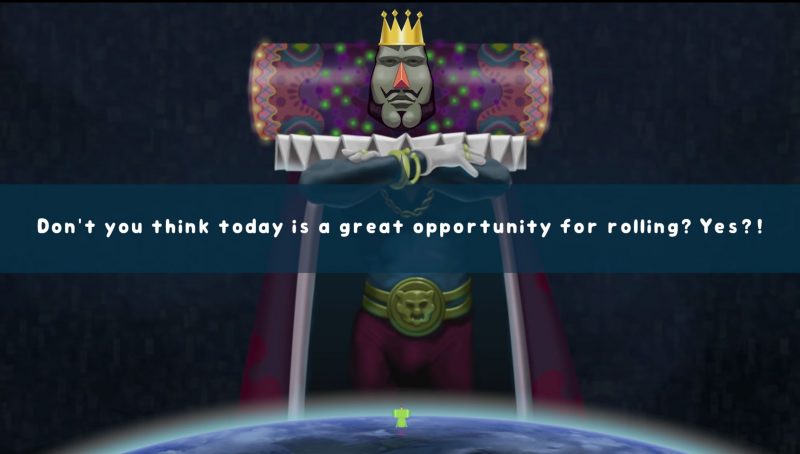
In October, Boss Fight Books published the latest in their eponymous series of books dedicated to video games, this one covering the creation and impact of Katamari Damacy.
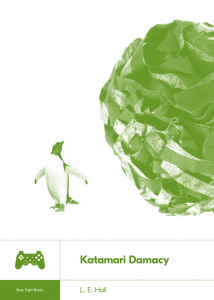 The author, L. E. Hall, is a friend and local game designer, the creator of Portland’s first escape room and recently opened The Wandmaker’s House, an immersive photo and game pop-up that I loved. I was lucky enough to follow the development of the book from its announcement in 2016, to its printing and publishing in October.
I first heard about Katamari in February 2004 before its release in Japan, and was mega-hyped to seek it out at E3 in 2004, four months before its U.S. release. When I saw that lone cabinet tucked into the back of Namco’s booth, I fell in love instantly and named it Best of Show.
But having finished the book, it’s remarkable that Katamari got made at all.
Namco was creator Keita Takahashi’s first job in the game industry, and he very nearly wasn’t hired. In Hall’s book, Takahashi talked about how he was openly critical of Namco’s existing games, and said so during the interview process. The artists loved him, but the executives weren’t convinced.
“Actually, I found out the funny truth after I joined Namco, from an HR guy who I got along with,” Takahashi said. “I failed the last job interview for sure. Sounds like some executives didn’t like me. But one of the interviewers from the artist interview persuaded an executive who was his boss to hire me. So I asked him, ‘Why?’ He said, ‘You looked very unique, and I felt there was potential to make something fun with you.’”
When he came up with the concept for Katamari, his boss was on board, but there was no clear path for the art departmenrt to pitch games.
“I talked with [Mitsutoshi] Ozaki-san, my boss, about how we should move this idea forward to an actual internal production,” Takahashi said. “Usually game ideas were proposed from the game design department at Namco, but we both worked in the art department. Also, technically Ozaki-san was not my actual boss at that time. He had moved to another department, so I had to talk to my current boss about my idea first—but he was not a manager of game designers, he was a manager of artists. He seemed to not have a bad impression of my idea, but he couldn’t make a decision about the game itself.”
The game ended up getting made through Namco Digital Hollywood Game Lab, a “six-month course designed to help developers learn skills necessary for creating games for the PlayStation 2.”
Each successive prototype built excitement internally, but Takahashi had to continually fight for his singular vision, finally securing a budget to make the game.
Even after its Japanese release, Namco wasn’t planning an English translation or American release until Takahashi was asked to appear at the Experimental Gameplay Workshop at GDC 2003.
Hall writes:
Darius Kazemi was in that audience that day. He wrote that “the feeling in that room when Keita showed Katamari was just electric. It was amazing to see all these game developers, literally the best of the best in the world, in complete awe of this weird little game. At the end of the presentation, when he said there were no plans to port it to the US market, everyone was just devastated.” As Takahashi and the fans would soon learn, the excitement generated by that presentation was enough to move mountains.
The buzz from that appearance led to Namco bringing Katamari and its creator to E3 in 2004, where I played it for the first time. I bought it on its U.S. release day on September 22, 2004, and like so many other people, was delighted by a game that’s truly unique.
Through interviews and original research, Hall’s book explores the creation of the game and how its concept, visual design, gameplay, characters, and cult soundtrack all evolved. I particularly loved the sections on how Portland-based software developer Panic came to be the exclusive producer of Katamari merchandise, and the cultural context behind the King of All Cosmos’ transgression of traditionally masculine gender roles.
If you’re a fan of the original Katamari Damacy, this is a very good month for you. In addition to Hall’s book — which I wholeheartedly recommend buying direct or through Powell’s or Amazon — the original game was just re-released as Katamari Damacy REROLL for the Switch and PC, remastered in HD for the first time.
And while Panic’s no longer selling shirts, there’s a bunch of new Katamari merchandise newly available through Fangamer, including this double LP of the soundtrack on vinyl.
Keep rolling, little prince!
Rocky Bergen’s Retro Computer Papercraft
Winnipeg-based artist and designer Rocky Bergen makes detailed papercraft of vintage computers, game systems, and electronics that you can print out, cut, and fold for yourself.
The most elaborate are his Commodore 64 models — complete with 1701 monitor, 1541 disk drive, VicModem, MPS 801 Printer. Upgrade it with some flashy cracktro screens and a couple bootleg floppies.
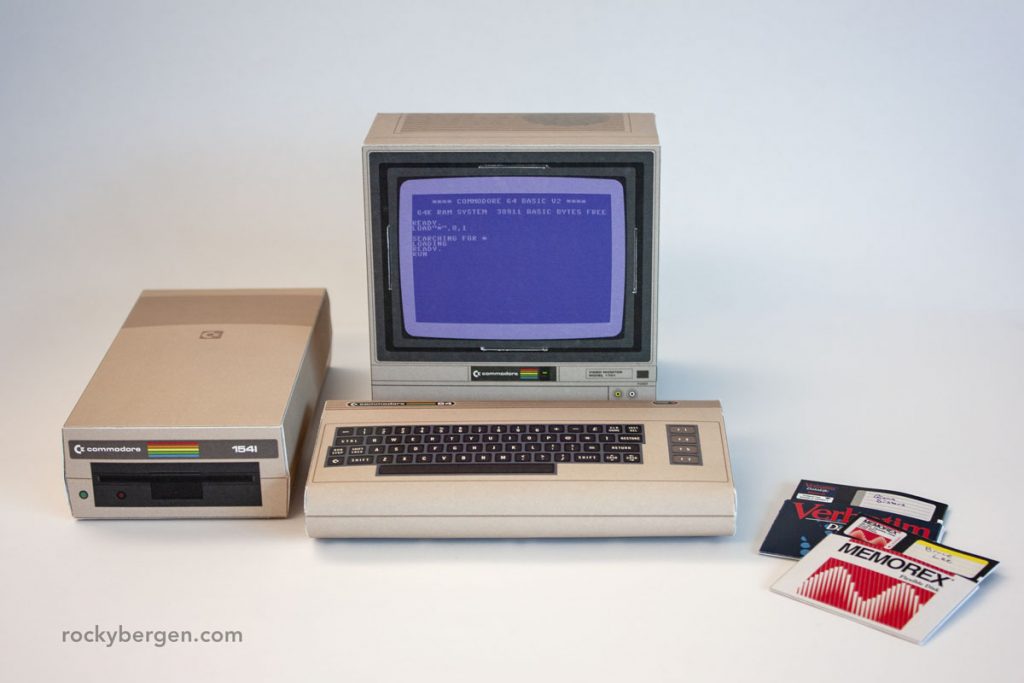
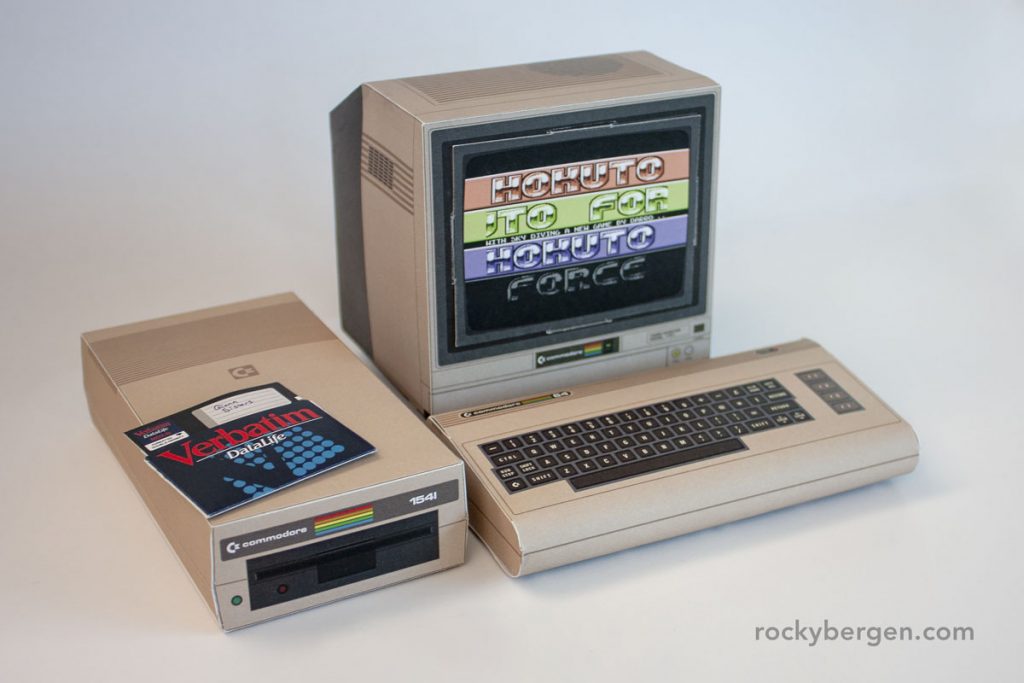
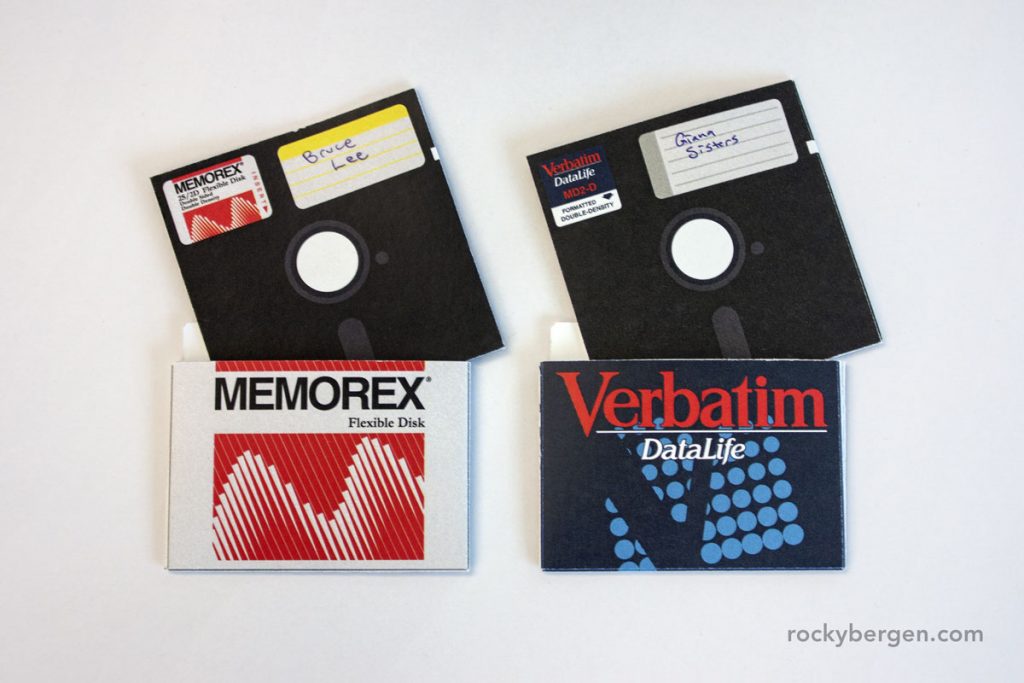
Not a Commodore fan? Rocky also recreated the Apple II, Amstrad CPC 464, GameCube, and Conion C-100F boombox.
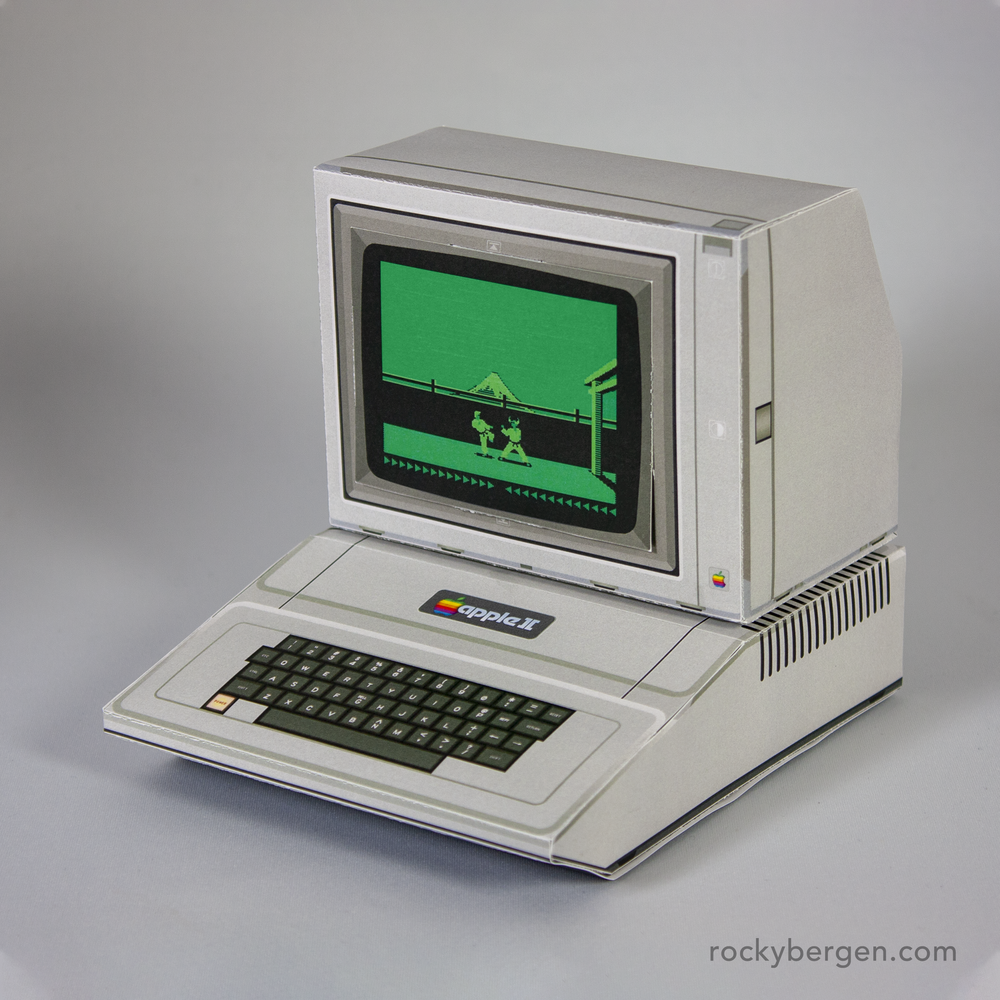
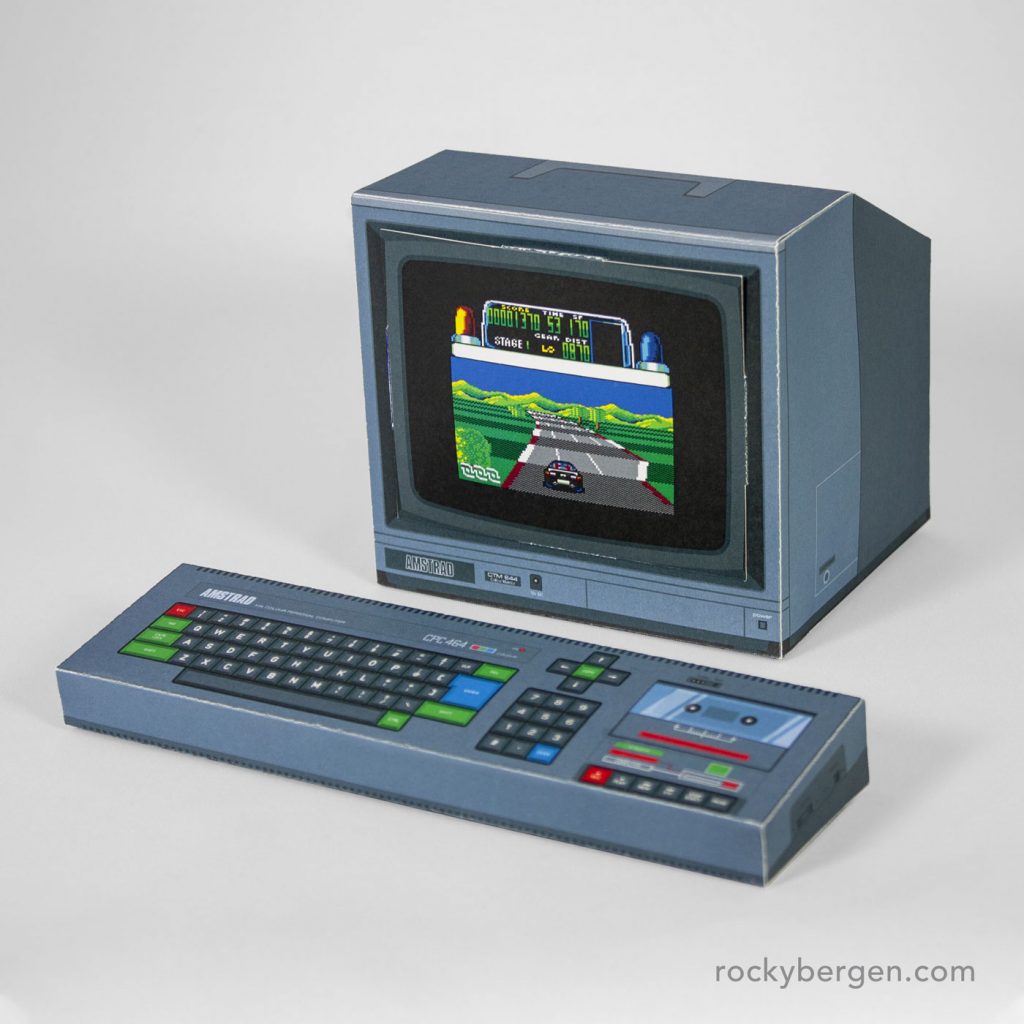
With very slight alterations, these would make some pretty great Christmas ornaments. Print ’em out and get folding!
You can subscribe to Rocky’s blog, or follow him on Twitter or Instagram. Thanks, Rocky!
Patreon de-platforms Gamergate heroes Milo and Sargon
— if you’re not familiar with Sargon, here’s a good rundown #How to recognize fake AI-generated images
— Kyle McDonald teaches a valuable skill for the near-future #Shrek Hacked My Spotify
On my last day at Fuzzco, in the first week of January, I played a little prank that I completely forgot about, and it took an entire year to pay off.
Before walking out the door, I set the office Sonos on repeat, playing one song endlessly overnight, Smash Mouth’s “All Star.” And because I’d already disconnected my Spotify account, I used someone else’s, the Spotify account of my friend, Eric R. Mortensen, the talented designer behind 10×18.
Cut to 11 months later.
Today, Spotify released Wrapped 2018, their annual look back at your top songs and artists over the past year. I completely forgot about the prank, but my Fuzzco friend Kate reminded me, so I checked in with Eric.

Then he emailed me this screenshot. “I thought Shrek hacked my Spotify.”
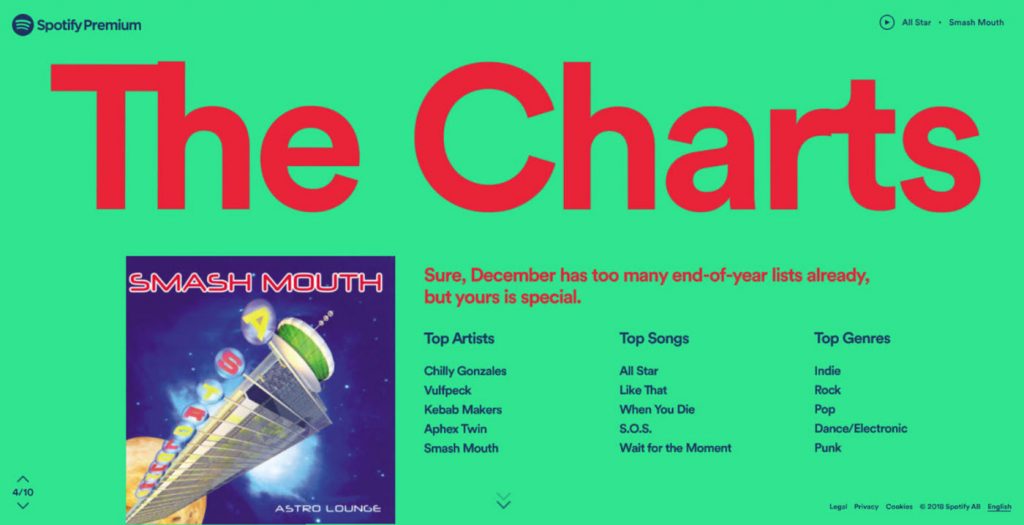
Only shooting stars break the mold.
Anatomy of an AI System
— a visual map and long-form essay about the labor and resources used by the Amazon Echo via tinyletter.com #Rapper 2 Milly Sues Epic Games For Stealing His Dance
— Fortnite reproduces, renames, and sells dance moves as emotes, raising questions about copyrighting choreography #The Making of Crossy Road
— on its fourth birthday, short look at the progressive development of the instant classic #India is jailing people for social media posts criticizing government
— at least 50 arrested in the last two years, here are stories of ten cases #Vanity Fair on the long winter for digital media networks
— Vice, Vox, BuzzFeed, and others diversifying away from ad revenue #The Untitled Goose Holiday Pop-Up Shop
— you’ll love this if you’re as excited about Untitled Goose Game as I am #The Verge’s Laura Hudson announces Better Worlds
— a series of short written, animated, and audio science fiction about hopeful futures #Song Exploder Goes Its Own Way

Today, Hrishikesh Hirway released the 150th episode of Song Exploder, his remarkable podcast where musicians take apart their songs and tell the story of how they were made. In this episode, Lindsay Buckingham breaks down the production of “Go Your Own Way,” the first song he wrote for Fleetwood Mac’s Rumours.
The episode ends with some bittersweet news: this is Hrishikesh’s last episode for the foreseeable future. After five years, he’s stepping back from hosting, editing, and producing the show, but will stay behind-the-scenes as Creative Director and hosting some live events and other Song Exploder-related projects.
I’ve adored Song Exploder since the beginning, linking to their very first episode with the Postal Service on the day it was released on January 1, 2014. We were honored to host the first live Song Exploder at XOXO 2014, with Hrishikesh interviewing Hutch from The Thermals about “No Culture Icons,” later released as an episode.
The new host will be Thao Nguyen (of Thao & the Get Down Stay Down), who guest-hosted the Neko Case episode and was featured herself on the show in 2016. I’m excited to see where she takes it from here.
Five years is a long time to work continuously on any project, and those 150 episodes are a powerful love letter to music and every musician’s unique creative process. Thank you to Hrish for making something so great.
Pro Office Calculator Is A Totally Normal Calculator
There’s nothing unusual at all about Pro Office Calculator.
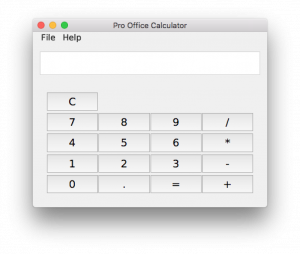
It’s just a normal calculator that does normal calculator things. You should just try it.
Need help using Pro Office Calculator? Read on.
Rudy Giuliani doesn’t understand the internet
— this might be funny if he wasn’t Trump’s cybersecurity advisor #Why You Should Never, Ever Use Quora
Yesterday, Quora announced that 100 million user accounts were compromised, including private activity like downvotes and direct messages, by a “malicious third party.”
Data breaches are a frustrating part of the lifecycle of every online service — as they grow in popularity, they become a bigger and bigger target. Nearly every major online service has had a security breach: Facebook, Google, Twitter, Yahoo, Tumblr, Uber, Evernote, eBay, Adobe, Target, and Sony all extensively leaked user data in the last few years.
Security breaches like these are a strong argument for using a password manager, but not a compelling reason to avoid a service you love, unless you plan to quit the internet entirely.
But this does seem like a good time to remind you of all the other reasons why you should never, ever use Quora.
Hoarding Knowledge
Four years ago, Eric Mill wrote about Quora’s tendency to hoard knowledge, and nothing’s changed since.
According to their About page, “Quora’s mission is to share and grow the world’s knowledge.” With 300 million monthly users, and nearly 40 million questions asked so far, they’re doing a good job of growing the world’s knowledge, but a terrible job of sharing it.
All of Quora’s value is derived from the answers provided by its users, and they go to great lengths to make a well-designed platform for finding and replying to questions.
But they do everything they can to make sure you can’t get those contributions back out.
Quora has:
- No public API.
- No backup or export tools.
- Restricted access to answers without an account.
- Blocked scrapers and unofficial APIs, and deleted questions related to scraping on their site.
Contrast that with Q&A competitors Stack Overflow and Stack Exchange, which offers an API, a wealth of user-made tools and support community for it, a powerful Data Explorer for querying and exporting data, a liberal crawling policy, and doesn’t attempt to hide questions and answers behind authentication. They even proactively upload anonymized data dumps of all user-contributed content to the Internet Archive for posterity under a Creative Commons license.
Hell, even Ask MetaFilter lets you export your history, and that was mostly built by one person.
Blocking Preservation
If you want to be generous, you could argue that it’s not a priority for them to build features like an API or export tools, especially as they’re still struggling to make money.
But for years, Quora has also explicitly forbidden the Internet Archive from indexing their site. This is what you’ll see if you try to find any Quora page in the Wayback Machine’s index.
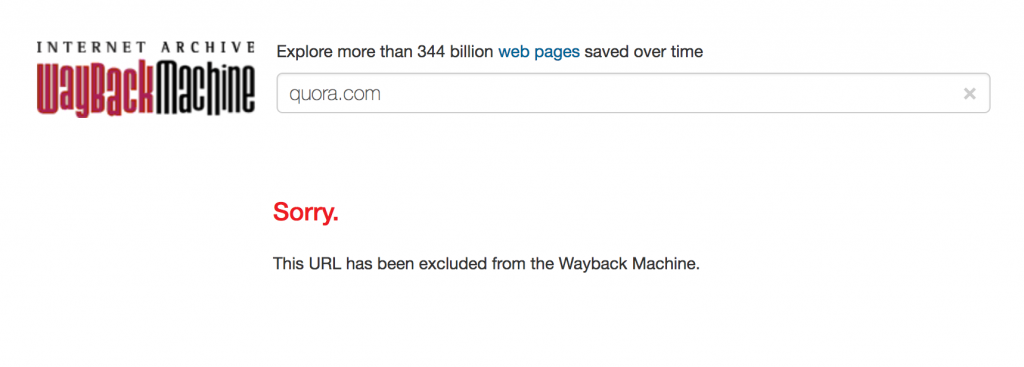
Quora could do literally nothing, and the Internet Archive would actively preserve the work of their millions of users for the future, but they’ve chosen to exclude their site from being archived.
In their robots.txt file, they elaborate on why they block the Wayback Machine, claiming they do it to protect their writers.
People share a lot of sensitive material on Quora – controversial political views, workplace gossip and compensation, and negative opinions held of companies. Over many years, as they change jobs or change their views, it is important that they can delete or anonymize their previously-written answers.
We opt out of the wayback machine because inclusion would allow people to discover the identity of authors who had written sensitive answers publicly and later had made them anonymous, and because it would prevent authors from being able to remove their content from the internet if they change their mind about publishing it. As far as we can tell, there is no way for sites to selectively programmatically remove content from the archive and so this is the only way for us to protect writers. If they open up an API where we can remove content from the archive when authors remove it from Quora, but leave the rest of the content archived, we would be happy to opt back in.
The Internet Archive is a historical archive of the public internet, and Quora asking for the ability to selectively modify their archives is absurd. An API like they’re suggesting would be ripe for abuse.
The Internet Archive inadvertently acts as a contingency for every startup’s short-sighted business plan, disastrous pivots, or acquisitions gone awry. When you run a social platform with content generated by the community, you have a larger responsibility not to burn their collective work to the ground. Part of that responsibility is participating in the web, and giving back what you take from it.
From the Wayback Machine’s FAQ:
Why is the Internet Archive collecting sites from the Internet? What makes the information useful?
Most societies place importance on preserving artifacts of their culture and heritage. Without such artifacts, civilization has no memory and no mechanism to learn from its successes and failures. Our culture now produces more and more artifacts in digital form. The Archive’s mission is to help preserve those artifacts and create an Internet library for researchers, historians, and scholars.
Quora’s closure isn’t a remote, distant possibility, and as a collection of uniquely personal stories and knowledge, there’s a strong argument for preserving it. Most VC-funded social platforms eventually shutter, and in many cases, the only remnants left are what was saved by volunteer archivists and the Internet Archive.
All of Quora’s efforts to lock up its community’s contributions make it incredibly difficult to preserve when they go away, which they someday will. If you choose to contribute to Quora, they’re actively fighting to limit future access to your own work.
Burning It Down
Nearly ten years after its founding, Quora’s long-term prospects are still uncertain. They’ve raised over $225 million in four rounds of funding, most recently an $85 million Series D in April 2017 at a $1.7 billion valuation.
Their self-serve ad platform launched last year, but have yet to report earnings. This is the first time in its nine-year history it’s made any money at all, which is better than nothing, but the sustainability of its model is still a question mark.
At some point, the investors who dumped a quarter billion dollars into it will want a return on that investment. Last year, founder Adam D’Angelo indicated they expect to eventually IPO. But market conditions, combined with the results of their ad platform, may force them in different directions — a pivot, merger, or acquisition are always a possibility.
When Quora shuts down, and it will eventually shut down one day, all of that collected knowledge will be lost unless they change their isolationist ethos.
Back in 2012, Adam D’Angelo wrote, “We hope to become an internet-scale Library of Alexandria.”
As long as Quora keeps boarding up the exits, we may see it end the same way.